You Won’t Believe What I Found in Dar es Salaam’s Hidden Markets
If you think shopping in Dar es Salaam is just about crowded streets and overpriced souvenirs, think again. I stumbled upon a world beneath the surface—vibrant local markets, handcrafted treasures, and textile stalls bursting with color. This isn’t your average tourist run; it’s an authentic, underrated experience. Let me take you through the city’s best-kept shopping secrets, where culture meets commerce in the most unexpected ways. More than just a place to buy goods, Dar es Salaam offers a sensory journey through sound, scent, and sight, revealing the heartbeat of Tanzanian daily life. These markets are not curated for visitors—they exist for the people, by the people, and stepping into them feels like being let in on a quiet, joyful secret.
The Real Heart of Dar es Salaam: Beyond the Tourist Trails
Dar es Salaam, Tanzania’s largest city and economic center, often plays second fiddle to the country’s more famous natural attractions—Serengeti plains, Mount Kilimanjaro, and the island of Zanzibar. Yet for those willing to look closer, the city itself holds a dynamic cultural pulse that rivals any safari adventure. While many travelers pass through quickly or limit their stay to business districts and beachfront hotels, they miss a deeper truth: Dar es Salaam’s soul lives in its markets. These are not tourist markets with rehearsed performances and mass-produced trinkets, but real places where families shop, artisans work, and communities gather.
Walking through the side streets near the city center, one is immediately immersed in a rhythm that feels both chaotic and harmonious. The air hums with Swahili conversation, the sizzle of street food, and the occasional call to prayer drifting from a nearby mosque. Vendors shout prices, children dart between stalls with practiced ease, and the scent of cloves, cumin, and ripe mangoes weaves through the breeze. This is commerce in its most human form—personal, lively, and rooted in tradition. To experience it is to understand how commerce and culture are inseparable in East Africa.
The true value of exploring these local spaces lies in connection. Unlike sanitized shopping malls or souvenir stands, Dar’s hidden markets invite interaction. A simple exchange over fabric patterns can lead to stories about family, festivals, or favorite recipes. These moments, fleeting but genuine, offer insight into a way of life that no brochure or guided tour can fully capture. For travelers seeking authenticity, the message is clear: look beyond the obvious. The city’s most meaningful experiences are often found not in brochures, but in the quiet corners where daily life unfolds.
Kariakoo Market: Where the City Shops for Itself
No visit to Dar es Salaam’s shopping landscape is complete without stepping into Kariakoo Market, the city’s largest and most dynamic open-air bazaar. Spanning several city blocks, Kariakoo is not a single market but a sprawling network of interconnected alleys, each dedicated to a different category of goods. From bolts of colorful fabric to mobile phone accessories, secondhand clothing, fresh produce, and handmade sandals, this is where the city comes to stock up on essentials. It operates with an energy that is both overwhelming and exhilarating—a true feast for the senses.
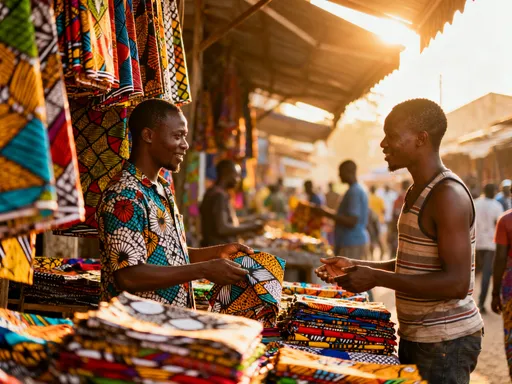
As you weave through the narrow pathways, you’ll notice how organized the chaos really is. Sections are informally zoned: one alley overflows with stacks of kitenge and kanga cloth, another buzzes with electronics vendors repairing radios and charging cables, while a third offers mounds of spices, dried fish, and seasonal fruits. The sheer volume of goods on display is staggering, but what stands out most is the human element. Vendors greet regular customers by name, neighbors share stools under faded umbrellas, and children help fold fabric with nimble fingers. This is not just a marketplace—it’s a community hub.
For visitors, Kariakoo offers unparalleled opportunities to observe and participate in local commerce. Bargaining is expected and done with good humor; a smile and polite Swahili greeting go a long way. Some of the most sought-after items include hand-stitched leather sandals made by local cobblers and custom tailoring services, where skilled seamstresses can create a dress or shirt in just 24 hours. These artisans often work on simple sewing machines under tarps, yet their precision and attention to detail are remarkable.
To navigate Kariakoo safely and respectfully, a few practical tips are essential. Visit in the morning when the heat is milder and the market is less crowded. Wear comfortable, modest clothing and avoid flashy jewelry or electronics that might draw unwanted attention. Carry cash in small denominations, and consider going with a local guide if you’re unfamiliar with the layout. While pickpocketing can occur in busy areas, most visitors find the people warm and welcoming when approached with courtesy. Above all, remember that you are a guest in a working market—observe, ask permission before photographing, and engage with kindness.
Upendo Shop: A Hidden Gem for Handmade Crafts
Just a short walk from the bustle of Kariakoo lies a quieter, more intentional shopping experience: Upendo Shop. Tucked away on a residential side street, this small, locally-run store is easy to miss but impossible to forget. The name “Upendo” means “love” in Swahili, and that sentiment is evident in every detail—from the hand-painted sign to the carefully arranged displays of handmade crafts. Unlike mass-market souvenir shops, Upendo focuses on quality, sustainability, and community impact.
The shop partners with local artisans from surrounding neighborhoods and rural villages, providing a platform for their work while ensuring fair compensation. Among its most beloved offerings are intricately beaded necklaces made by women’s cooperatives, wooden masks carved from sustainably sourced ebony, and notebooks crafted from recycled paper and banana fibers. Each item comes with a small tag describing the maker and the process, turning every purchase into a story. These are not just souvenirs—they are pieces of culture, made with care and purpose.
What sets Upendo apart is its mission. A portion of every sale supports vocational training programs for youth and women, helping to preserve traditional skills that might otherwise fade. In a world where fast fashion and factory-made decor dominate, Upendo stands as a quiet act of resistance—a reminder that beauty and ethics can coexist. Visitors often remark on the peaceful atmosphere of the shop, a stark contrast to the noise of the larger markets. It’s a place to slow down, appreciate craftsmanship, and make a meaningful connection.
Finding Upendo requires a bit of effort, but that’s part of its charm. Located near a small community center, it’s best reached by taxi or on foot with directions from a local. There’s no signboard or flashy storefront—just a blue gate and a friendly face at the door. Those who seek it out are often rewarded with a warm welcome, a cup of herbal tea, and the chance to meet some of the artisans themselves. For travelers who value authenticity and impact, Upendo Shop is a must-visit destination.
The Secret Behind Tanzanite and Gem Shopping
No discussion of shopping in Tanzania would be complete without mentioning tanzanite, the rare blue-violet gemstone found only in the Mererani Hills of northern Tanzania. While many tourists associate Dar es Salaam with gem shopping, the reality is more nuanced. The city hosts several reputable gem dealers, but it also has its share of tourist traps where inflated prices and questionable authenticity are common. Knowing where and how to buy ensures not only a beautiful purchase but also an ethical one.
The most trustworthy gem shops in Dar es Salaam are often small, family-run businesses with years of experience and certification from recognized gemological institutes. These dealers typically serve both local clients and international buyers, maintaining a reputation built on transparency. Some even have cutters and polishers working in the back rooms, allowing visitors to see the transformation of rough stones into sparkling gems. Watching this process is mesmerizing—a blend of skill, patience, and tradition.
When shopping for tanzanite or other local gems like garnet or moonstone, there are key steps to ensure authenticity. First, always ask for a certificate of origin and quality. Reputable dealers will provide documentation from labs such as the Gemological Institute of Tanzania or international bodies. Second, examine the stone under natural light to assess its color and clarity. Tanzanite’s signature hue shifts subtly in different lighting, a sign of its natural origin. Avoid stones that look too perfect or uniformly colored, as they may be synthetic.
Bargaining is acceptable, but it’s wise to research average market prices beforehand. A sudden discount that seems too good to be true often is. Additionally, consider purchasing unfinished stones or custom jewelry—many shops offer to craft a ring or pendant to order, which can be more affordable and personalized. Most importantly, take your time. Ethical gem shopping isn’t about quick deals; it’s about building trust and supporting legitimate trade. By choosing certified, transparent vendors, travelers contribute to a sustainable industry that benefits local miners and artisans.
Textile Treasures: Finding Authentic Kitenge and Kanga
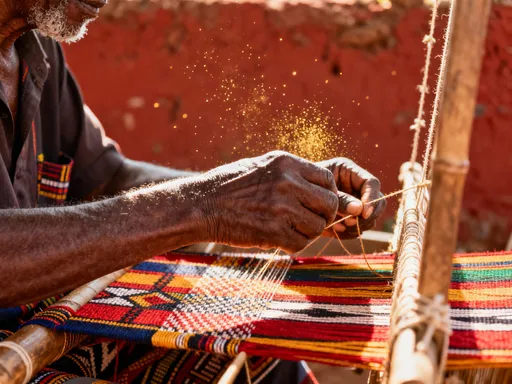
Among the most vibrant and culturally rich shopping experiences in Dar es Salaam are the textile markets, where rolls of kitenge and kanga cloth create a rainbow of patterns and meanings. These African prints are more than fashion—they are a form of communication. Each design carries a message, often expressed in Swahili proverbs printed along the border. Phrases like “Mke wangu ni mwanamke wa kujiendeleza” (“My wife is a woman of progress”) or “Pole pole ndio mwendo” (“Slowly, slowly is the way forward”) reflect values, humor, and wisdom passed through generations.
While kitenge and kanga are widely available, finding authentic, high-quality fabric requires knowing where to look. The best stalls are often tucked within larger markets like Kariakoo or found in smaller neighborhood shops away from tourist zones. These vendors source their cloth from local mills and independent designers, offering cotton that is soft, durable, and breathable—ideal for Tanzania’s tropical climate. In contrast, synthetic imitations, common in airport shops, feel stiff and lack the depth of color found in genuine prints.
When selecting fabric, there are a few practical tips to keep in mind. First, feel the material—authentic kitenge should have a slight texture and absorb moisture, unlike plastic-like fakes. Second, examine the print alignment; high-quality cloth has crisp, even patterns with no smudging. Finally, ask about the meaning of the design. Many sellers are happy to translate the Swahili messages, turning a simple purchase into a cultural exchange.
These textiles are incredibly versatile. Beyond making traditional dresses or headwraps, they can be used for home decor—think table runners, cushion covers, or wall hangings. Some travelers have them tailored into custom blazers, bags, or even children’s clothing. Because each pattern tells a story, these items become more than souvenirs; they are conversation starters and lasting reminders of the people and places encountered. Supporting local textile vendors also helps sustain a craft that is deeply woven into Tanzanian identity.
Modern Meets Traditional: The Rise of Boutique Pop-Ups
While Dar es Salaam’s traditional markets offer timeless charm, a new generation of designers is redefining the city’s shopping scene. In neighborhoods like Oyster Bay, Masaki, and Mikocheni, boutique pop-ups and small design studios are blending Swahili heritage with contemporary aesthetics. These spaces showcase clothing, accessories, and homewares that honor local materials and techniques while appealing to modern tastes. It’s a quiet revolution—one that celebrates tradition without being bound by it.
One such brand, Mwanga Designs, creates minimalist dresses using hand-dyed kitenge and organic cotton. Another, Zawadi Studio, specializes in jewelry made from recycled brass and sustainably harvested seeds. These designers often employ young Tanzanians, providing apprenticeships and fair wages while preserving ancestral skills. Their work is not just fashion—it’s a statement about identity, sustainability, and innovation.
Pop-up markets, often held on weekends in community centers or open courtyards, offer a relaxed way to explore this new wave. Unlike formal boutiques, they encourage interaction. Designers are usually present, eager to discuss their inspiration and process. Visitors can touch fabrics, try on pieces, and even place custom orders. The atmosphere is friendly and inclusive, a far cry from the high-pressure sales tactics sometimes found in tourist areas.
Supporting these emerging brands is a powerful way to contribute to Tanzania’s creative economy. It shows that tradition and modernity can thrive together, and that local talent deserves both recognition and investment. For travelers, these boutiques offer unique, high-quality items that stand out from generic souvenirs. More importantly, they represent a future where culture is not just preserved, but evolved.
How to Shop Like a Local: Practical Tips and Cultural Etiquette
Shopping in Dar es Salaam becomes a richer experience when approached with cultural awareness and respect. While the city is welcoming, understanding local norms ensures smoother interactions and more meaningful connections. One of the most important practices is bargaining, which is not only expected in markets but also seen as a social ritual. However, it should be done politely and with a smile. Starting at half the quoted price and meeting in the middle is common, but never haggle aggressively or walk away in frustration—it can be seen as disrespectful.
Cash is still king in most markets, so carry enough small bills in Tanzanian shillings. While mobile money is growing, many vendors—especially in older markets—do not accept digital payments. Dressing modestly is another key consideration. Lightweight, loose-fitting clothing that covers shoulders and knees is both practical for the climate and culturally appropriate. Avoid wearing revealing outfits, as it may draw unwanted attention or discomfort.
Building rapport with vendors enhances the experience. A simple “Habari yako?” (“How are you?”) in Swahili can open doors. Take time to chat, show genuine interest in the products, and ask questions. Many sellers appreciate the effort and may offer better prices or share personal recommendations. Remember, shopping here is not just a transaction—it’s a human exchange.
Safety is manageable with basic precautions. Stick to well-known markets during daylight hours, avoid carrying large amounts of cash, and keep valuables out of sight. Taxis are the most reliable way to travel between districts; use registered services or hotel-arranged rides. Finally, combine shopping with tasting local food. Try a plate of sambaza—tiny fried fish served with pilau rice—or sip fresh coconut water from a roadside vendor. These small pleasures complete the experience, grounding your journey in the everyday joys of Dar es Salaam life.
Shopping in Dar es Salaam is more than a transaction—it’s a journey into the soul of the city. From the chaotic charm of Kariakoo to the quiet craftsmanship of hidden workshops, every purchase tells a story. By stepping off the tourist path, travelers gain not just souvenirs, but connections. So next time you're in Tanzania, don’t just visit—explore, engage, and let the city reveal its secrets, one market at a time.