Wandering Through Time: Where Tradition Meets Treasure in Nara’s Hidden Markets
Nestled in the heart of Japan, Nara isn’t just about serene temples and friendly deer—it’s a haven for those who love to wander and discover. As I strolled through its quiet streets, I stumbled upon markets where centuries-old craftsmanship meets everyday charm. These aren’t flashy tourist malls, but living spaces where culture, taste, and tradition are bought, shared, and cherished. If you know where to look, Nara’s shopping scene tells a story worth following. Each alleyway, each wooden counter, each whispered greeting from a shopkeeper carries the weight of generations. This is not shopping as transaction, but as conversation—one that invites you to slow down, observe, and connect.
The Spirit of Slow Shopping in Nara
In a world that moves at the speed of light, Nara offers something rare: stillness. The rhythm of life here is gentle, unhurried, and deeply intentional. This calm extends to the way people shop. Unlike the neon-lit frenzy of Tokyo’s Shibuya or the packed souvenir lanes of Kyoto, Nara’s markets unfold like quiet chapters in a well-loved book. There is no push to buy, no loud calls from vendors trying to lure customers inside. Instead, shopping in Nara is an act of presence—an invitation to pause, breathe, and engage with what is real and handmade.
This philosophy is rooted in *omotenashi*, the Japanese concept of selfless hospitality. In Nara, this isn’t a performance for tourists; it’s a way of life. Shopkeepers greet visitors with quiet warmth, often offering a small bow or a gentle smile. They don’t rush you. They may even offer a cup of tea while you browse handwoven baskets or examine a lacquered spoon carved with care. The exchange goes beyond money—it’s about respect, dignity, and shared appreciation for beauty in the ordinary.
Walking through Nara’s shopping lanes, the senses come alive. Wooden shop fronts weathered by time stand side by side with paper lanterns swaying in the breeze. The air carries the faint scent of sandalwood, green tea, and simmering miso from nearby kitchens. Bells tinkle softly as you enter a small shop tucked between trees. Every detail—the texture of handmade washi paper, the sound of cloth being unfolded, the warmth of ceramics under fingertips—adds to a sensory tapestry that feels both ancient and immediate. This is slow shopping at its finest: not a checklist of purchases, but a journey of discovery.
Nara Kōriyama Craft Village: Heritage in Every Object
Just a short walk from the city center lies Nara Kōriyama, a historic district that breathes life into Japan’s artisan traditions. Here, craftsmanship isn’t preserved behind glass—it’s practiced daily in small workshops where the tools of the trade have changed little over centuries. This is where tradition isn’t remembered; it’s lived. The village is home to master artisans specializing in lacquerware, textiles, and woodcraft, each piece shaped by hand and guided by memory passed from parent to child.
One of the most revered crafts here is *urushi* lacquerware, a technique that dates back over a thousand years. Artisans apply layer upon layer of sap from the *Toxicodendron vernicifluum* tree, each coat dried in a climate-controlled room before the next is added. The process can take weeks or even months, resulting in bowls, trays, and boxes that shimmer with deep, glass-like finishes. These are not mere decorations—they are functional heirlooms, meant to be used and cherished across generations.
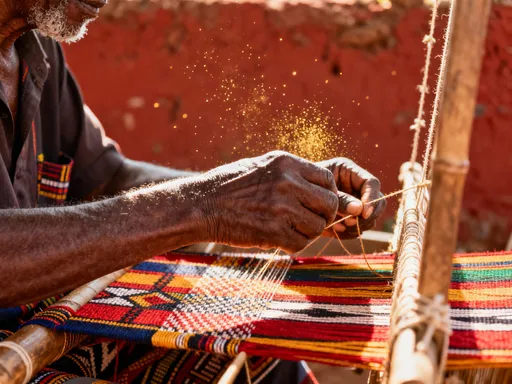
Equally captivating is the work of textile artists who practice *yuzen* dyeing, a method that allows for intricate, painterly designs on silk fabric. Using rice paste as a resist, artisans draw delicate patterns of cherry blossoms, cranes, and waves before applying natural dyes. The result is fabric that feels like poetry—a wearable art form that tells stories of nature and seasonality. When you purchase a piece from Kōriyama, you’re not just buying an object; you’re supporting a lineage of skill and dedication that might otherwise fade in the age of mass production.
Visitors are often welcomed into workshops, where they can watch artisans at work—hands steady, eyes focused, movements precise. Some shops offer short demonstrations or hands-on experiences, such as painting a small lacquer coaster or folding a silk handkerchief. These moments create lasting memories and deepen the connection between maker and buyer. In a world of instant delivery and disposable goods, Nara Kōriyama reminds us that true value is measured not in speed, but in time, care, and continuity.
Nakamichi Street: The Local’s Path to Hidden Gems
Connecting the grand Tōdai-ji Temple to the peaceful Nara Park, Nakamichi Street is more than a thoroughfare—it’s a living thread through the city’s daily life. Unlike the polished boutiques near train stations, this lane feels untouched by time. Here, family-run shops have stood for decades, some for over a century, their wooden signs faded but proud. This is where locals come for pickles, rice crackers, and freshly brewed sake—not because it’s picturesque, but because it’s real.
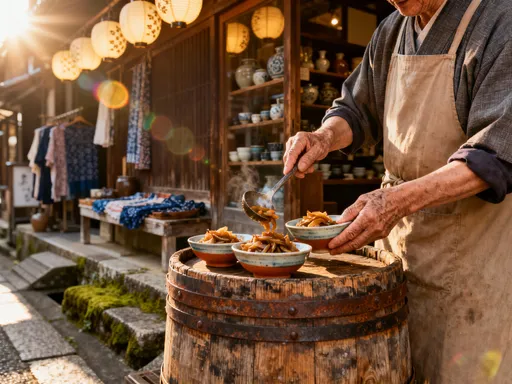
One of the most beloved specialties along Nakamichi is *narazuke*, a traditional pickle made from cucumber, eggplant, or daikon radish, fermented in sake lees for weeks or even months. The process gives the vegetables a rich, umami flavor and a soft, almost buttery texture. At small pickle shops, you can peer into wooden barrels where the *narazuke* ages, and often sample a piece straight from the jar. The shopkeeper might explain the difference between summer and winter batches, or recommend a pairing with warm rice and miso soup.
Nearby, a 100-year-old tea house offers matcha served in hand-thrown ceramic cups. There’s no menu board, no QR code—just a quiet counter where the owner prepares each bowl with precision and grace. Sitting on a low wooden stool, sipping tea while watching the light filter through paper screens, you feel the weight of time slow down. It’s not an experience designed for Instagram; it’s a moment of quiet dignity, shared between stranger and host.
What makes Nakamichi special is its authenticity. There are no souvenir t-shirts or plastic keychains. Instead, you’ll find hand-stitched fans, bamboo utensils, and bottles of locally brewed plum wine. The shopkeepers remember regulars by name and offer recommendations without pressure. Walking this street feels like stepping into the rhythm of Nara’s everyday life—a life where commerce is woven into community, and where every purchase carries a story.
Takaragaike Ropeway & Mountain Market Culture
On the edge of the city, where urban calm gives way to forested slopes, the Takaragaike Ropeway offers a different kind of shopping experience—one that blends nature, reflection, and subtle commerce. As the cable car climbs Mount Takakuma, the view opens to a sea of treetops and distant hills. At the summit, a quiet path leads to small stalls nestled among the pines. These are not permanent shops, but seasonal outposts that appear during spring and autumn, offering simple, meaningful goods.
Vendors sell handmade amulets wrapped in cloth, local sweets made with mountain herbs, and hand-carved walking sticks for hikers. There are no price tags shouting for attention, no flashy displays. Instead, each item feels personal, as if made for someone specific. A woman might offer you a warm cup of yuzu tea from a thermos, or an elder craftsman might show you how he whittles a small wooden charm from cypress wood. The exchange is soft, almost reverent.
This mountain market culture thrives on impermanence. The stalls appear for festivals, weekends, or clear-weather days, then vanish like morning mist. This transience adds to their charm—visitors never know exactly what they’ll find. One day, there might be a potter selling glazed teacups; another, a farmer offering wild mountain vegetables. The unpredictability invites curiosity and rewards those who wander with open eyes.
From this height, shopping feels different. It’s not about acquiring, but about discovering. The view from above—the city below, the deer grazing near temple gates, the distant silhouette of Mount Ikoma—creates a sense of perspective. You realize that what you’re buying isn’t just an object, but a memory tied to place and moment. The wooden charm, the paper-wrapped sweet, the handmade notebook—they become tokens of a journey that touched both earth and spirit.
Department Stores with a Nara Touch: Yamato and Daikichi
While Nara cherishes the small and handmade, it also embraces the practical with grace. Two local department stores—Yamato and Daikichi—stand as quiet testaments to how tradition and modernity can coexist. Unlike the towering malls of Osaka or Tokyo, these stores are modest in size but rich in character. They don’t compete on scale, but on soul.
Step into the basement floor of either store, and you’ll find a *depachika*—a Japanese department store food hall—that feels distinctly Nara. Instead of imported cheeses or luxury chocolates, the counters display regional specialties: *kakinoha-zushi* (sushi wrapped in persimmon leaves), jars of wild honey from nearby forests, and delicate *wagashi* sweets shaped like lotus flowers or autumn leaves. These treats are made by local confectioners using recipes passed down for generations. Even the packaging—elegant paper with traditional motifs—reflects the care behind each item.
On the upper floors, the selection remains curated. You’ll find clothing made from Nara-grown hemp, tableware from local kilns, and gift sets featuring seasonal flavors. What sets these stores apart is their commitment to local brands. They don’t stock national chains or global labels unless they align with Nara’s aesthetic of simplicity and quality. A scarf might come from a woman who weaves in her home village; a tea set could be crafted by a potter in nearby Asuka.
Service here mirrors the city’s values. Staff are knowledgeable but never pushy. They’ll wrap your purchase in beautiful paper, tie it with a silk cord, and hand it to you with both hands—a gesture of respect. These stores are more than places to shop; they are cultural ambassadors, introducing visitors to the quiet elegance of Nara’s everyday life. For the traveler, they offer a bridge between the traditional markets and the convenience of modern retail.
Festivals as Living Marketplaces: When Seasons Shape Shopping
In Nara, shopping doesn’t follow a calendar of sales and promotions—it follows the rhythm of the seasons. Nowhere is this more evident than during festivals, when the city transforms into a living marketplace. Temporary stalls rise like blossoms in spring, offering goods tied to ritual, celebration, and renewal. These are not tourist bazaars, but community events where shopping becomes a form of participation.
One of the most significant is the Nara Tōdai-ji Omizutori, a Buddhist ceremony held every March. For over a thousand years, monks have performed rituals to purify and bless the land. As visitors gather, dozens of stalls appear around the temple grounds, selling sacred paper charms, wooden prayer tablets, and festival foods like *sakuramochi* (cherry blossom rice cakes) and roasted sweet potatoes. The air hums with quiet devotion and the scent of incense.
These festival markets are ephemeral by design. They exist for a few days, then disappear until the next season. The goods sold are often symbolic—amulets for health, good harvest, or safe travel. Buying one isn’t just a transaction; it’s an act of connection to something larger than oneself. A mother might purchase a charm for her child’s school exam; a traveler might light a candle and buy a small bell to carry home.
Other seasonal events, like the autumn lantern festival at Kasuga Taisha, bring different offerings: hand-dipped candles, woven straw ornaments, and warm sake served in ceramic cups. The stalls are lit by flame, casting soft shadows on stone paths. Here, shopping feels sacred—not because the items are expensive, but because they carry meaning. In these moments, commerce and culture are not separate; they are woven together, like threads in a kimono.
How to Shop Like a Local: Etiquette, Timing, and Mindset
To truly experience Nara’s shopping culture, it helps to adopt a local mindset. This means slowing down, observing, and approaching each interaction with respect. The best time to visit most shops and markets is on weekday mornings, when crowds are light and artisans are often present. Avoid weekends and holidays if you seek quiet reflection—those days bring more tourists and a faster pace.
Cash is still king in many small shops, so carry yen in small denominations. While credit cards are accepted in department stores, family-run stalls may not have card readers. A small cloth bag is also useful—plastic bags are often discouraged, and carrying your purchases in a reusable tote is both eco-friendly and culturally considerate.
When entering a shop, it’s polite to greet the owner with a quiet “irasshaimase” (welcome) or a simple nod. Take your time browsing. If you’re interested in an item, ask about its origin or how it was made. Many shopkeepers appreciate the interest and may share a story or offer a sample. Never touch delicate items without permission, and avoid taking photos unless invited.
Most importantly, shift your mindset from consumption to connection. Ask yourself: What story does this object carry? Who made it? How does it reflect the season, the place, the people? When you buy a lacquer bowl, you’re not just acquiring dinnerware—you’re honoring a craft that has survived centuries. When you taste *narazuke*, you’re tasting the patience of fermentation and the wisdom of preservation. In Nara, every purchase can be a small act of cultural preservation.
Conclusion
Nara’s shopping culture is not about what you take home in a bag, but what you carry in your heart. It’s a practice of mindfulness, a dialogue with history, and a celebration of the handmade. In a world that often equates value with speed and scale, Nara stands as a quiet counterpoint—reminding us that the most meaningful experiences are those that unfold slowly, with care and intention.
From the whisper of paper being folded in a craft shop to the deep red glow of a lacquered tray, from the tang of pickles pulled from a wooden barrel to the warmth of matcha shared in silence, Nara invites you to shop not with your wallet, but with your senses. Each market, each stall, each quiet exchange is a thread in a larger tapestry—one that weaves together tradition, community, and the simple joy of discovery.
So let your journey be guided not by lists, but by curiosity. Let your purchases be not souvenirs, but stories. In Nara, the true treasure isn’t what you buy—it’s what you learn, what you feel, and how you remember. For in the end, the most lasting gifts are not wrapped in paper, but held in memory.