Lost in the Lanes of Sendai: Where Every Corner Tells a Story
Walking through Sendai feels like flipping through the pages of a quiet, well-worn journal—each street alive with subtle charm and unspoken history. Far from the neon rush of Tokyo or the timeless stillness of Kyoto, this Tohoku gem reveals itself slowly, block by block. I wandered without a map and found something better: authentic neighborhoods where tradition hums beneath modern life. From tree-lined avenues to steaming market alleys, Sendai offers a rare balance—urban energy rooted in local rhythm. This is not a city built for spectacle, but for living. And in its lanes, travelers discover more than sights; they find stories waiting to be heard.
The Heartbeat of Hirose-dori: More Than Just a Main Street
Hirose-dori Avenue stands as the central spine of Sendai, a broad, leafy boulevard shaded by towering zelkova trees that have graced the cityscape for over a century. Lined with department stores, independent boutiques, and seasonal pop-up stalls, this thoroughfare functions as both a commercial hub and a communal gathering space. What sets Hirose-dori apart is not its scale, but its accessibility—wide sidewalks, clearly marked crosswalks, and frequent transit stops make it easy for residents and visitors alike to move at a pedestrian’s pace. During the Tanabata Festival each August, the avenue transforms into a tapestry of colorful streamers and paper decorations, drawing hundreds of thousands in celebration of love and folklore. Yet even in its everyday rhythm, Hirose-dori pulses with life: mothers pushing strollers pause at flower kiosks, office workers sip coffee at outdoor tables, and elders stroll beneath the canopy of green.
The street’s design reflects a deep commitment to livability. Unlike many Japanese cities where cars dominate, Hirose-dori prioritizes people. Benches are thoughtfully placed, public restrooms are clean and well-maintained, and digital information boards provide real-time updates on events and transportation. This attention to detail fosters a sense of safety and comfort, encouraging spontaneous exploration. Nearby subway stations—such as Sendai Station and Kotodai-Koen—connect seamlessly to the rest of the city, making it easy to use Hirose-dori as a starting point for deeper discovery. Local businesses, from long-standing confectioneries to modern design studios, contribute to the street’s layered identity, offering goods that reflect both regional pride and contemporary taste.
Beyond commerce, Hirose-dori serves as a stage for community expression. Seasonal markets, art fairs, and cultural performances frequently take place along its stretch, reinforcing the idea that public space belongs to everyone. In spring, cherry blossoms bloom in coordinated bursts along the median, turning the avenue into a soft pink corridor. In autumn, the zelkovas shift to golden hues, casting dappled light on the pavement. These natural rhythms anchor the urban experience in something timeless, reminding visitors that even in a modern city, nature and tradition continue to shape daily life. Hirose-dori is not just a route from one place to another—it is a destination in itself, where the ordinary becomes meaningful through thoughtful design and collective care.
Akiu’s Hidden Backstreets: Tradition Woven into Daily Life
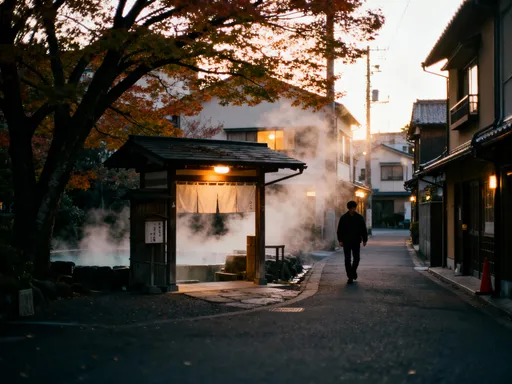
Just a short train ride from central Sendai lies Akiu, a district nestled in the hills of the city’s northwest, renowned for its hot springs and deeply rooted way of life. Unlike the polished onsen towns marketed to tourists, Akiu retains an unvarnished authenticity. Its narrow lanes wind past wooden machiya houses with tiled roofs, some centuries old, where generations have lived and worked in quiet continuity. Here, tradition is not performed—it is simply lived. Morning light filters through bamboo groves as residents carry baskets to the local market, their footsteps familiar on the worn stone paths. The air carries the faint mineral scent of thermal waters rising from underground, a constant reminder of the earth’s quiet power.
The Akiu Onsen area is home to several public bathhouses, known as *soto-yu*, where locals soak in open-air pools surrounded by forest. These baths are not luxurious resorts but simple, functional spaces—tile-lined, steamy, and maintained with care. Visitors are welcome, but the atmosphere remains intimate and respectful. There are no loud advertisements or flashy signs; instead, hand-painted notices in Japanese guide guests through etiquette, emphasizing cleanliness and quiet reflection. This is *onsen* culture in its purest form: restorative, communal, and deeply personal. Nearby, small family-run inns offer overnight stays, where guests wake to homemade meals of mountain vegetables, grilled river fish, and miso soup simmered with local ingredients.
Akiu’s artisans keep traditional crafts alive in subtle ways. A potter shapes clay on a wheel in a sunlit workshop, selling pieces at a roadside stand. An elderly woman weaves *tatami* mats by hand, her movements precise and unhurried. These skills are passed down not through formal institutions, but through daily practice and quiet mentorship. The district’s morning market, held weekly, draws farmers from surrounding villages who sell fresh produce, wild herbs, and handmade pickles. Shoppers haggle gently, exchange news, and linger over cups of roasted barley tea. There are no souvenir stalls or tourist traps—just real life, unfolding at its own pace. In Akiu, the past is not preserved behind glass; it breathes in the present, visible in the texture of a hand-carved spoon, the scent of cedar smoke, the rhythm of a slow morning.
Jozenji-dori Avenue: Style, Shade, and Soul
If Hirose-dori is the heart of Sendai, Jozenji-dori is its soul—a serene, tree-lined promenade that embodies the city’s elegant balance between nature and urbanity. Flanked by majestic zelkova trees planted in perfect symmetry, this avenue offers a canopy of green that shifts with the seasons, from fresh spring buds to deep summer foliage and golden autumn tones. Designed in the early 20th century as part of a modern city plan, Jozenji-dori remains a model of thoughtful urban design. Its wide sidewalks, low-rise buildings, and absence of overhead wires create a sense of calm rarely found in Japanese cities. This is a place made for walking, for pausing, for noticing.
The avenue is home to a curated mix of boutiques, art galleries, and cafes that reflect Sendai’s understated sophistication. A small design shop sells handcrafted ceramics and linen textiles, each piece labeled with the maker’s name and hometown. A jazz bar with a minimalist façade hosts live performances every Friday, its music spilling softly onto the sidewalk. In spring, cherry trees along the side streets bloom in delicate puffs of white and pink, drawing locals for quiet hanami picnics on the grass. The annual Sendai Jazz Festival transforms Jozenji-dori into an open-air concert hall, where musicians play under the trees and crowds gather on blankets, sipping tea and swaying gently to the rhythm.
What makes Jozenji-dori truly special is its ability to blend aesthetics with function. Benches are placed at regular intervals, inviting rest and conversation. Public art installations—sculptures, light displays, seasonal decorations—are integrated seamlessly into the landscape, enhancing rather than interrupting the natural flow. The avenue connects key cultural sites, including the Sendai Mediatheque, a striking modern library designed by Toyo Ito, and the City Art Center, which hosts rotating exhibitions of regional artists. This makes Jozenji-dori not just a scenic walk, but a cultural corridor, where creativity and community intersect. For visitors, it offers a chance to slow down, to observe, to feel the city’s pulse without the noise. It is a reminder that beauty in urban life does not require grand gestures—only attention, care, and the courage to leave space for stillness.
Kotodai Park and the University Quarter: Youthful Energy Meets Serenity
Near the northern end of Jozenji-dori lies Kotodai Park, a green oasis that serves as a natural extension of the surrounding academic district. Home to Tohoku University—one of Japan’s most prestigious institutions—the area buzzes with intellectual energy during the day and transforms into a lively social hub after dark. The park itself is a study in balance: open lawns slope gently toward a small pond, where koi glide beneath lily pads, and shaded paths wind past groves of maple and ginkgo trees. Students read under trees, couples walk hand in hand, and elderly residents practice tai chi in the early morning light. It is a place of quiet contemplation, yet also of vibrant connection.
The influence of the university is felt throughout the neighborhood. Independent bookstores stock academic titles and literary journals, their windows filled with hand-written recommendations. Cafes cater to students with affordable set menus, free Wi-Fi, and quiet corners for studying. Some, like a long-standing coffee house near the park entrance, have been serving the same dark roast for decades, their wooden counters worn smooth by generations of elbows. Others embrace modern trends, offering pour-over brews, vegan pastries, and rotating art displays. The contrast is not jarring but complementary—a dialogue between tradition and innovation that defines much of Sendai’s character.
As evening falls, the atmosphere shifts. Izakayas along the side streets fill with students, professors, and young professionals unwinding after work. Lanterns glow above narrow doorways, and the scent of grilled yakitori and simmering ramen fills the air. Unlike the more tourist-heavy districts, these establishments cater primarily to locals, meaning prices are reasonable and service is warm but unpretentious. Conversations flow easily, often spilling onto the sidewalk as groups linger over beer and small plates. Yet even in its liveliness, the area retains a sense of order and safety. Streetlights are ample, noise levels remain moderate, and the proximity to the park ensures a constant thread of calm. Kotodai is not a place of wild nightlife, but of meaningful connection—where ideas are exchanged, friendships deepen, and the rhythm of academic life blends seamlessly with the city’s broader pulse.
Nakano Marche: The Pulse of Local Flavor
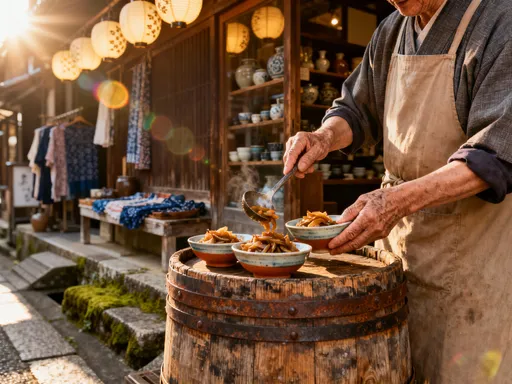
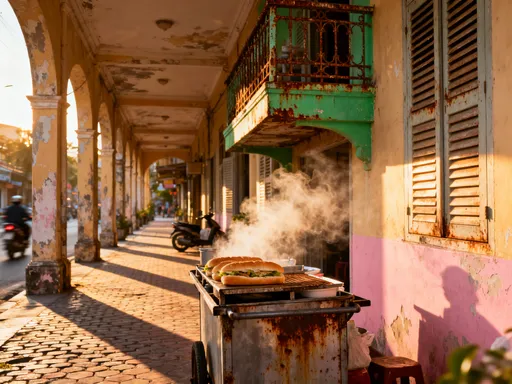
For a true taste of Sendai, few places rival Nakano Marche, a bustling market street tucked between residential blocks and main thoroughfares. Open every morning, this covered arcade brims with the sights, sounds, and aromas of Tohoku’s rich culinary heritage. Vendors call out greetings as customers browse baskets of seasonal produce—purple-skinned sweet potatoes, crisp daikon radishes, wild mountain vegetables gathered from nearby forests. But it is the food stalls that draw the longest lines, especially those serving Sendai’s most iconic dishes: *zunda mochi* and *gyutan* (grilled beef tongue).
Zunda mochi, a sweet made from mashed edamame beans, is a regional specialty with a vibrant green hue and a delicate, nutty flavor. Vendors shape the paste into small squares or wrap it around soft rice cakes, offering samples that surprise first-time tasters with their freshness and depth. Gyutan, meanwhile, is a savory masterpiece—thick slices of beef tongue grilled over charcoal, seasoned simply with salt and served with a side of grated daikon and miso paste. The best stalls cook each order to order, ensuring a perfect char on the outside and tenderness within. The process is part of the experience: watching the chef flip the meat, inhaling the smoky aroma, feeling the heat radiate from the open grill.
What makes Nakano Marche more than just a food destination is its role as a social center. Regulars greet vendors by name, exchange news, and linger over steaming bowls of miso soup. Elderly couples share a plate of dumplings, while young families load up on fresh fruit and homemade pickles. Handwritten signs in bold kanji list daily specials, and prices remain accessible, reinforcing the market’s identity as a place for everyone. Unlike sterile supermarkets or themed food courts, Nakano Marche feels alive with human connection. It is where recipes are passed down, where trust is built through consistency, and where the act of eating becomes an act of belonging. For visitors, it offers not just nourishment, but insight—a chance to taste the values of Tohoku: simplicity, seasonality, and shared care.
Sangen-cho Bar Street: Nighttime Rhythms and Warm Conversations
As night deepens, another side of Sendai emerges in Sangen-cho, a narrow alley district known for its intimate bars and enduring hospitality. Clustered within a few blocks, these tiny establishments—some seating no more than eight guests—offer a counterpoint to the flashy nightlife of larger cities. Here, the focus is not on volume or spectacle, but on connection. Wooden counters, dim lighting, and the soft clink of glasses create an atmosphere of quiet warmth. Many bars have been run by the same families for decades, their recipes and philosophies passed down through generations. A bartender might serve a house-made plum wine aged for ten years, or pour a local sake recommended by a nearby brewery.
The tradition of *omotenashi*—Japanese hospitality—shines in Sangen-cho. Bartenders remember regulars’ preferences, offer small complimentary dishes, and engage in easy conversation without intrusion. For visitors, this creates a rare sense of welcome. There are no cover charges, no pressure to order repeatedly, and no language barrier too great to overcome with a smile and a nod. Some bars specialize in whiskey, others in craft beer or shochu, but all share a commitment to quality and care. The small size encourages interaction, not isolation—strangers often end up sharing stories, toasting to new friendships, or simply sitting in comfortable silence, lulled by the hum of low conversation.
Sangen-cho is not a place to party, but to reflect. It is where the day’s discoveries are digested, where memories are shared, and where the city reveals its most personal layer. Unlike tourist-oriented entertainment districts, this is a neighborhood built for locals, yet open to outsiders who come with respect and curiosity. The lack of signage, the unassuming entrances, the quiet buzz—it all adds to the sense of stumbling upon something genuine. In an age of curated experiences and social media performance, Sangen-cho offers something rare: authenticity, not as a brand, but as a way of life.
Why Sendai’s Streets Stay With You: The Art of Quiet Discovery
What lingers after a visit to Sendai is not a single landmark or photograph, but a collection of small, unplanned moments. The sound of a dialect slightly different from standard Japanese, overheard in a market. The sight of a hand-painted sign for a family-run tofu shop, its characters uneven but full of character. The unexpected discovery of a tiny shrine nestled between apartment buildings, its gate strung with red *shide* paper, a quiet testament to enduring belief. These fragments, seemingly insignificant, accumulate into a deeper impression—one of a city that does not perform for visitors, but simply lives.
Sendai’s charm lies in its resistance to spectacle. It does not rely on grand monuments or viral attractions. Instead, it invites slowness, attentiveness, and presence. To walk its streets is to engage in quiet discovery—to notice the way light falls on a wet pavement after rain, to appreciate the care in a chef’s knife work, to feel the warmth of a shared smile in a crowded market. These experiences cannot be rushed or captured fully in a snapshot. They require time, openness, and a willingness to be surprised.
In a world where travel is often measured by checklists and hashtags, Sendai offers a different model—one rooted in sincerity and substance. It reminds us that the most meaningful journeys are not those that dazzle, but those that resonate. The city does not shout; it whispers. And in that whisper, there is depth, dignity, and a quiet invitation: to slow down, to look closely, to listen. For those willing to wander without a map, Sendai reveals not just its streets, but its soul—one unassuming corner at a time.