You Won’t Believe These Hidden Gems in Brisbane – Secret Architecture Spots Only Locals Know
Brisbane isn’t just about rivers and sunshine—its architecture tells a story most tourists miss. I wandered off the beaten path and discovered stunning, lesser-known buildings that blend history, design, and local soul. From forgotten art deco facades to bold modern structures tucked behind leafy streets, these hidden gems redefine the city’s vibe. If you’re craving something beyond the usual attractions, this is your sign to explore deeper. These are not just buildings—they are quiet witnesses to decades of change, resilience, and creativity. And for those willing to look closely, they offer a richer, more personal connection to the city’s heartbeat.
Beyond the Skyline: Brisbane’s Underrated Architectural Soul
Brisbane’s skyline is often defined by sleek high-rises like the Riverside Centre and the iconic Story Bridge, symbols of progress and modernity. Yet behind these well-known landmarks lies a quieter, more nuanced architectural narrative—one shaped by time, community, and evolving design philosophies. While visitors flock to South Bank and the CBD, many overlook the subtler beauty of older buildings that have stood through floods, economic shifts, and urban renewal. These structures, though not always grand in scale, carry immense cultural weight. They reflect the craftsmanship of earlier eras and the everyday lives of generations who lived, worked, and gathered within their walls.
Stepping away from the tourist trail allows travelers to engage with Brisbane on a more intimate level. Architecture, after all, is more than bricks and mortar—it’s a reflection of values, aspirations, and identity. When you walk down a quiet street lined with century-old cottages or stumble upon a repurposed warehouse humming with creative energy, you’re not just seeing a building. You’re encountering a piece of living history. These spaces often reveal stories of migration, industry, and neighborhood pride that official brochures rarely capture. The real charm of Brisbane unfolds not in polished plazas, but in the details: a hand-carved cornice, a restored leadlight window, or a courtyard garden blooming behind a weathered iron gate.
Preserving these lesser-known buildings isn’t merely about nostalgia—it’s about maintaining the city’s architectural diversity. In an era where uniform glass towers can dominate new developments, retaining older structures ensures that Brisbane’s urban fabric remains layered and authentic. Community-led restoration projects and heritage listings have played a crucial role in protecting these sites from demolition or insensitive redevelopment. By recognizing the value of these spaces, residents and planners alike help ensure that future generations can still experience the texture and character that make Brisbane uniquely its own.
A Walk Through West End: Where Heritage Meets Bohemian Vibes
One of the most rewarding ways to experience Brisbane’s architectural depth is by exploring West End, a suburb that effortlessly blends historic charm with a vibrant, artistic spirit. As you wander along Vulture Street and surrounding lanes, you’ll encounter a rich tapestry of late 19th and early 20th-century buildings that have been thoughtfully preserved and repurposed. These structures—many originally built as workers’ cottages, boarding houses, or small commercial spaces—feature intricate cast-iron lacework, wide timber verandas, and corrugated iron roofs, hallmarks of Queensland’s distinctive architectural style. Their pastel-colored facades and elevated foundations speak to both aesthetic tradition and practical adaptation to the subtropical climate.
What makes West End particularly special is how its architectural heritage coexists with its dynamic cultural life. Cafés spill onto footpaths beneath heritage-listed awnings, while independent galleries and vintage shops occupy restored brick buildings. The blend of old and new feels organic rather than forced, a testament to community stewardship. Residents and business owners have embraced the character of these buildings, maintaining original features while adapting interiors for modern use. You’ll find exposed timber beams beside espresso machines, or original fireplace mantels framing contemporary art—each detail a nod to continuity and care.
Community efforts have been instrumental in safeguarding West End’s architectural identity amid rapid urban growth. Local advocacy groups have successfully campaigned for heritage protections, ensuring that redevelopment respects the area’s historical fabric. Walking tours led by volunteers and historical societies offer deeper insights into specific buildings, sharing stories of past occupants and architectural evolution. For the thoughtful traveler, these guided experiences provide context that transforms a simple stroll into a journey through time. West End proves that preservation doesn’t mean freezing a place in the past—it means allowing it to grow while honoring its roots.
The Hidden Art Deco Treasures Along Stanley Street
Just a short walk from the bustling heart of West End, Stanley Street harbors some of Brisbane’s best-preserved examples of Art Deco architecture—a style that flourished in the 1920s and 1930s with its bold geometric patterns, streamlined forms, and decorative elegance. While cities like Miami and New York are often celebrated for their Art Deco legacies, Brisbane’s contributions are equally striking, though quieter and less publicized. Along this stretch, observant visitors will notice buildings with stepped facades, sunburst motifs, and stylized floral reliefs—design elements that once symbolized modernity and optimism during a transformative era.
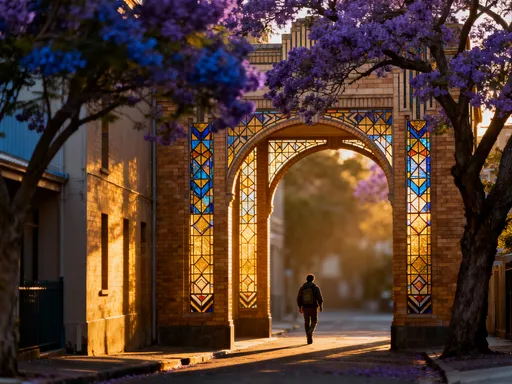
One standout example is a former pharmacy building with a symmetrical frontage and original terracotta tiles, its entrance framed by vertical fluting that draws the eye upward. Nearby, a small office block features rare surviving stained glass panels in rich amber and green tones, their patterns echoing the machine-age aesthetic of the time. Though modest in size, these buildings convey a sense of craftsmanship and attention to detail often missing in today’s mass-produced constructions. Many have been adaptively reused, now housing boutique design studios, specialty cafés, and wellness clinics—spaces that align with the buildings’ original spirit of innovation and refinement.
What makes these Art Deco gems especially significant is their contrast with Brisbane’s contemporary skyline. In a city increasingly defined by reflective glass towers and minimalist forms, these older structures offer visual warmth and human scale. Their textured surfaces, decorative flourishes, and hand-finished details create a sense of intimacy that modern architecture sometimes lacks. Moreover, they remind us that style and function need not be mutually exclusive. Architects of the Art Deco period balanced aesthetic ambition with practical needs, creating buildings that were both beautiful and functional—a principle that remains relevant today.
New Farm’s Architectural Contrasts: Old Meets Boldly New
New Farm presents one of Brisbane’s most compelling architectural dialogues—the harmonious coexistence of heritage homes and cutting-edge contemporary design. Nestled along the winding bends of the Brisbane River, this riverside suburb is home to some of the city’s most elegant Queenslander-style houses, with their wide verandas, intricate fretwork, and raised timber frames. These homes, many over a century old, were built to maximize airflow and shade, perfectly suited to the subtropical climate. Today, they stand as cherished remnants of a bygone era, lovingly maintained by residents who value their history and craftsmanship.
Yet alongside these heritage treasures, New Farm also showcases bold new architecture that respects its context while pushing design boundaries. Modern riverfront developments incorporate sustainable materials such as cross-laminated timber, recycled brick, and high-performance glass to reduce environmental impact. Architects have employed passive solar design, green roofs, and rainwater harvesting systems, blending ecological responsibility with aesthetic sophistication. Some newer buildings feature cantilevered balconies and floor-to-ceiling windows that frame panoramic river views, creating a seamless connection between interior and landscape.
The success of New Farm’s architectural balance lies in thoughtful planning and design sensitivity. Rather than imposing oversized or stylistically jarring structures, many contemporary builds take cues from traditional forms—echoing roof pitches, using natural materials, and maintaining setbacks that preserve neighborhood scale. This respectful integration ensures that new developments enhance rather than overshadow the area’s character. For visitors, a walk through New Farm offers a masterclass in how cities can evolve without losing their soul—a model of urban renewal that prioritizes harmony, sustainability, and beauty.
The Story Behind the Brisbane Powerhouse Makeover
Perhaps one of Brisbane’s most inspiring examples of architectural transformation is the Brisbane Powerhouse in New Farm. Originally constructed in the 1920s as a coal-fired power station, this industrial complex was decommissioned in the 1970s and fell into disrepair before being revitalized into a thriving cultural venue. Today, it stands as a shining example of adaptive reuse—where old infrastructure is given new life through creative vision and community engagement. The building’s original brickwork, steel trusses, and turbine halls have been preserved and repurposed into performance spaces, galleries, and event venues, maintaining a tangible link to its industrial past.
Architectural highlights include the dramatic turbine hall, now used for large-scale performances and installations, where exposed beams and high ceilings create an awe-inspiring atmosphere. The control room has been converted into a café, its vintage dials and switches still visible behind glass—a subtle homage to the building’s original function. Outside, the riverside amphitheater hosts outdoor concerts and festivals, seamlessly integrating the structure with its natural surroundings. The Powerhouse doesn’t hide its history; instead, it celebrates it, allowing visitors to experience the raw beauty of industrial architecture in a vibrant, contemporary setting.
This transformation has not only preserved a significant piece of Brisbane’s heritage but also set a benchmark for similar projects worldwide. Adaptive reuse reduces the environmental cost of new construction, conserves embodied energy, and fosters a deeper connection between people and place. The Brisbane Powerhouse demonstrates that old buildings can be more than relics—they can become dynamic centers of community life. Its success has inspired other cities to consider how disused factories, warehouses, and infrastructure might be reimagined as cultural or civic spaces, proving that sustainability and creativity can go hand in hand.
Offbeat Icons: The Quirky and Unexpected Structures
Beyond the well-known districts, Brisbane hides a collection of quirky and unconventional buildings that defy easy categorization. These offbeat icons may not appear in guidebooks, but they offer some of the city’s most intriguing architectural moments. Take, for instance, the Story Bridge’s anchorage bunkers—originally built for structural support, these robust concrete chambers now serve as unexpected art spaces and event venues. Their utilitarian design, with thick walls and arched openings, speaks to engineering pragmatism, yet their current use adds a layer of creative irony.
Another hidden gem is the network of converted tram sheds scattered across suburbs like Woolloongabba and Norman Park. Once essential to Brisbane’s early public transport system, these timber and corrugated iron structures have been repurposed into community centers, craft breweries, and artist workshops. Their simple gabled roofs and large sliding doors reflect their functional origins, while their new roles breathe fresh life into forgotten spaces. These transformations highlight the potential of modest, utilitarian buildings to become hubs of local activity and creativity.
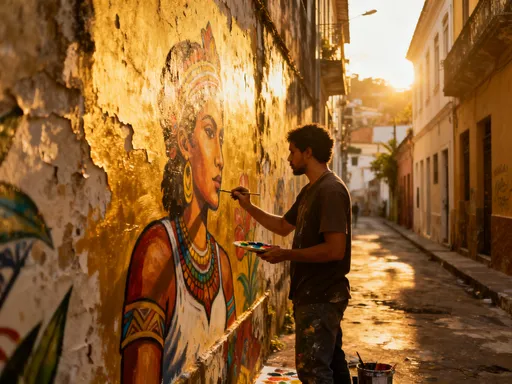
Discovering such spots often requires a bit of curiosity and local knowledge. Community walking maps, historical society publications, and self-guided trail brochures can lead you to these architectural curiosities. Some are tucked behind trees or nestled in alleyways, visible only if you know where to look. For the observant traveler, the joy lies in the discovery—the unexpected sight of a mosaic-covered wall, a rooftop sculpture garden, or a converted lighthouse keeper’s cottage. These structures may not be grand, but they embody the ingenuity and spirit that define Brisbane’s architectural character.
How to Explore Brisbane’s Hidden Architecture Like a Pro
Exploring Brisbane’s lesser-known architecture doesn’t require expert knowledge—just curiosity, comfortable shoes, and a few practical tips. The best times to visit are early morning or late afternoon when the soft light enhances textures and shadows, making details like ironwork, brick patterns, and timber grain more visible. Weekdays often offer quieter streets, allowing for a more contemplative experience, especially in residential areas where privacy should be respected. Always observe from public footpaths and avoid trespassing, ensuring your exploration remains considerate and lawful.
Self-guided walking routes can be easily planned using online resources. Start in West End and follow a loop through Stanley Street, Vulture Street, and surrounding lanes, then continue toward New Farm, crossing the Victoria Bridge for scenic river views. Include stops at the Brisbane Powerhouse and nearby heritage streets like Barker Street, known for its collection of restored Queenslander homes. For a more structured approach, download local council heritage trail maps or use apps like Brisbane Open House, which highlights architecturally significant sites during annual open days.
Photography enthusiasts should bring a wide-angle lens to capture facades and a macro setting for intricate details. Always ask permission before photographing private properties or people. Notebooks or voice memos can help record observations and impressions, enriching your personal archive. Most importantly, take time to engage with locals—baristas, shop owners, or neighbors gardening outside their homes. Their stories often reveal the human side of architecture: who built a house, how a shop has changed hands, or why a mural was painted. These conversations deepen your understanding and create lasting memories.
For those seeking structured learning, consider joining a guided heritage walk offered by historical societies or architecture nonprofits. These tours, often led by passionate volunteers or practicing architects, provide expert insights into construction techniques, historical context, and preservation challenges. Some even include access to normally restricted spaces, such as restored attic rooms or behind-the-scenes areas of adaptive reuse projects. These experiences not only enhance appreciation but also support community-led conservation efforts.
Conclusion
These architectural secrets don’t just impress visually—they connect you to Brisbane’s evolving identity. By seeking out these quiet corners, travelers gain a deeper, more authentic experience. It’s not just about seeing a city, but understanding its soul, one hidden wall, beam, and rooftop at a time. The real magic of Brisbane lies not in its postcard views, but in the whispers of its overlooked buildings. Each structure tells a story of resilience, creativity, and community care—values that resonate deeply with those who take the time to listen. As cities continue to grow and change, preserving and celebrating these hidden gems ensures that Brisbane remains a place of character, warmth, and enduring charm. So the next time you visit, look beyond the skyline. Step off the main streets, turn down an unassuming lane, and let the architecture guide you to the heart of the city.