Kotor’s Hidden Light: Where Every Stone Tells a Photo Story
You know that feeling when a place just clicks through your lens? Kotor, Montenegro, did exactly that for me. Nestled between towering mountains and a shimmering bay, this medieval gem offers cityscapes so rich, they feel alive. From sun-drenched alleys to fortress-crowned cliffs, every turn is a composition waiting to happen. If you're chasing authenticity in your photography, Kotor doesn’t just deliver—it inspires. More than a postcard-perfect destination, it’s a living canvas shaped by centuries of tides, trade, and quiet resilience. Here, light dances across ancient stone, reflections ripple in still harbors, and the rhythm of daily life unfolds in shadowed archways and sunlit courtyards. For photographers seeking depth, texture, and soul, Kotor offers not just scenes, but stories.
The First Glimpse: Arriving in Kotor’s Living Postcard
Approaching Kotor by sea or road, the first sight is nothing short of cinematic. The Bay of Kotor, often called Europe’s southernmost fjord—though technically a submerged river canyon—unfurls like a ribbon of liquid silver, flanked by sheer limestone cliffs that rise dramatically from the water. At the edge of this natural amphitheater lies the Old Town, a compact maze of terracotta rooftops and weathered stone walls encircled by fortifications that climb skyward. This juxtaposition of human craftsmanship and raw nature creates an instant visual anchor, making Kotor one of the most photographically compelling destinations along the Adriatic coast.
The city's geography is a gift to photographers. The bay curves in a way that frames the Old Town perfectly from multiple vantage points—especially from the water or across the inlet in nearby villages like Perast or Prčanj. Morning light often arrives softly, diffused by the surrounding peaks, casting a gentle glow on the eastern-facing walls. By midday, the sun strikes the bay at sharp angles, creating dazzling reflections that ripple across the stone facades. Late afternoon brings the golden hour, when the western sun bathes the fortress and city walls in warm amber tones, transforming the entire settlement into a glowing silhouette against the darkening mountains.
For those arriving by cruise or ferry, the first photographic opportunities begin before docking. The panoramic view from the deck offers a sweeping composition—water, town, and fortress rising together in layered harmony. Land-based visitors entering from the main gate or parking areas just outside the walls can pause at designated viewpoints, such as the Lapidarium near the Sea Gate, where the contrast between the ancient stone markers and the vibrant life of the square creates compelling foreground interest. Whether shooting wide-angle landscapes or tight architectural details, the arrival moment sets the tone for a journey defined by visual abundance.
Wandering the Old Town: A Maze of Photogenic Moments
Once inside the Sea Gate, Kotor’s Old Town reveals itself as a labyrinth of cobbled streets, hidden courtyards, and centuries-old architecture. Every alley tells a story, not through words, but through texture, color, and light. The city’s Venetian, Byzantine, and Ottoman influences are visible in the arched doorways, wrought-iron balconies, and tiled roofs. Photographers will find endless subjects: a weathered wooden door with an intricately carved knocker, a burst of bougainvillea spilling over a stone wall, or a centuries-old fountain tucked into a quiet corner where locals still gather.
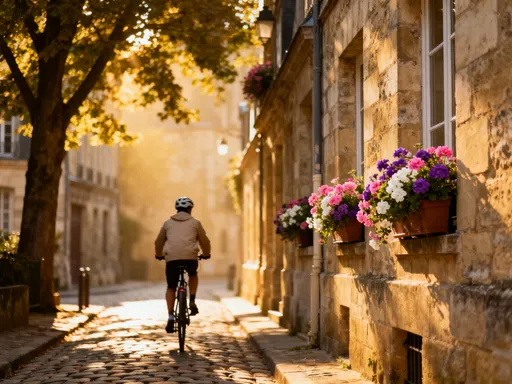
The narrowness of the streets creates natural depth in photographs. Shooting down a long, winding lane with converging walls draws the eye toward a distant patch of light or a figure passing through—ideal for creating a sense of movement and perspective. Shadows play a crucial role here, especially at midday when sunlight slices through at sharp angles, casting dramatic contrasts between illuminated façades and deep, cool recesses. These chiaroscuro effects add dimension and mood, turning simple street scenes into visual narratives.
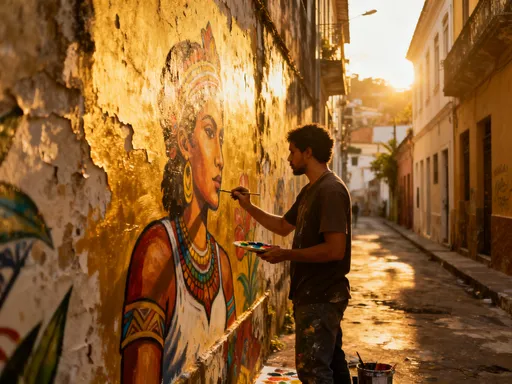
Capturing candid moments of daily life—shopkeepers arranging goods, children playing near a fountain, or elders sipping coffee in a shaded square—adds authenticity to a photo collection. However, it’s essential to approach such scenes with respect. A smile, a nod, or a quiet gesture of permission can go a long way in maintaining trust and dignity. In residential areas, where families live behind ancient doors, discretion is key. Avoid intrusive close-ups or flash photography that might disturb the peace. Instead, focus on architectural details, ambient light, and the quiet rhythms of the neighborhood. The most powerful images often come not from grand gestures, but from patient observation.
Climbing the Fortress: The Ultimate Urban Vista
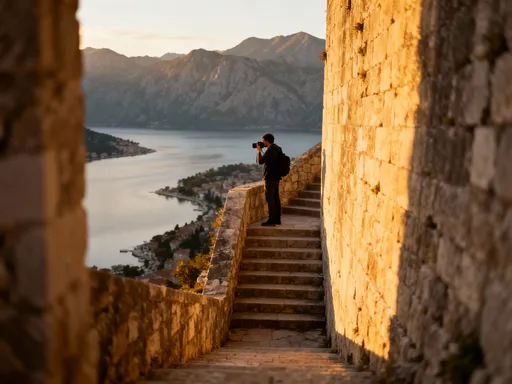
One of Kotor’s most iconic photographic experiences is the climb to St. John’s Fortress, perched 260 meters above sea level. The 1,350 stone steps wind steeply up the mountainside, cutting through tunnels and switchbacks before emerging at panoramic viewpoints that redefine perspective. From the top, the entire Bay of Kotor unfolds below—a shimmering expanse of blue framed by jagged peaks, with the red-tiled roofs of the Old Town nestled at the base like a miniature model. This vantage point transforms the city into a geometric tapestry, where walls, streets, and water merge into a single, breathtaking composition.
The best time to make the ascent is either early in the morning or late in the afternoon. Midday heat, especially in summer, can be exhausting, and the strong overhead light flattens textures and creates harsh contrasts. Sunrise offers a rare combination of solitude and soft illumination. As the sun rises behind the mountains, it gradually bathes the bay in golden light, while the fortress walls still retain a cool, silvery tone—ideal for capturing both warmth and shadow in one frame. Sunset provides a different magic: the western sky ignites in hues of orange and pink, reflecting off the water and setting the city aglow.
Photographers should come prepared. A lightweight backpack with water, sunscreen, and a small towel is essential. While the climb is strenuous, stopping frequently allows for both rest and creative pauses—many of the best shots happen midway, where staircases curve dramatically against the cliff face or offer framed views of the bay. A wide-angle lens is ideal for capturing the vastness of the panorama, while a telephoto lens can isolate distant details, such as a sailboat cutting through the water or the silhouette of Perast’s twin churches.
Crowds can be a challenge, especially during peak season. To avoid congestion, start the climb before 7 a.m. or after 6 p.m. If shooting the famous “wall in the sky” view—where the fortress path clings to the cliff edge with the bay stretching below—wait for a natural break in foot traffic or use a slightly slower shutter speed to blur moving figures while keeping the landscape sharp. The effort of the climb is always rewarded, not just with images, but with a profound sense of connection to the land and its history.
Light and Shadow: Mastering Kotor’s Natural Rhythms
Light is the silent architect of every great photograph, and in Kotor, it plays a starring role. The city’s stone surfaces—ranging from pale limestone to warm sandstone—respond vividly to changing conditions. Early morning light, low and soft, enhances texture, revealing every crack, groove, and lichen stain on centuries-old walls. This is the ideal time to photograph architectural details: a carved window frame, a weathered lintel, or the ripple of light across a cobblestone street. The gentle contrast allows for rich tonal range without losing detail in highlights or shadows.
Golden hour, occurring roughly an hour before sunset, transforms the entire city. The western-facing walls of the Old Town ignite in warm tones, while the bay reflects the sky like a mirror. This is when Kotor feels most alive through the lens—when light doesn’t just illuminate, but animates. Photographers can capture long exposures of the water’s surface to create a silky, dreamlike effect, or use the warm glow to silhouette figures walking along the ramparts. The contrast between light and shadow becomes a storytelling device, emphasizing depth, form, and mood.
Overcast days, often overlooked, offer their own photographic advantages. When clouds blanket the sky, they act as a giant diffuser, eliminating harsh highlights and deep shadows. This even lighting is perfect for capturing the full range of colors in Kotor’s architecture—ochre, rose, and terracotta hues that might otherwise be washed out in direct sun. It also enhances the atmosphere of quiet contemplation, ideal for moody cityscapes or intimate street scenes. Fog rolling in from the mountains can add an ethereal quality, wrapping the fortress and bay in mystery.
Understanding seasonal shifts in light is equally important. In winter, the sun sits lower in the sky, extending golden hour and casting longer shadows. In summer, daylight lasts longer, but the intensity of midday light requires careful exposure management. Using a polarizing filter can reduce glare on water and stone, while a neutral density filter allows for longer exposures even in bright conditions. By aligning shooting schedules with natural rhythms, photographers can move beyond mere documentation and into the realm of visual poetry.
Beyond the Walls: Hidden Corners and Quiet Perspectives
While the Old Town and fortress draw the majority of attention, some of Kotor’s most intimate photographic moments lie just beyond the main gates. A short walk along the waterfront promenade reveals quiet benches where locals sit in the evening, watching the bay. These unassuming spots offer framed views of the water with the fortress rising in the background—ideal for capturing the quiet rhythm of daily life. Early morning fishermen mending nets or couples strolling at dusk provide natural, unposed subjects.
Just outside the North Gate, the Pjaničko Polje neighborhood offers a glimpse into residential Kotor. Narrow staircases climb the hillside, connecting small houses with flower-filled balconies. These areas are less frequented by tourists, allowing for more personal and reflective compositions. A single shutter painted in deep blue, a cat sleeping on a sun-warmed step, or the way light filters through laundry hung between buildings—these are the quiet details that reveal the soul of a place.
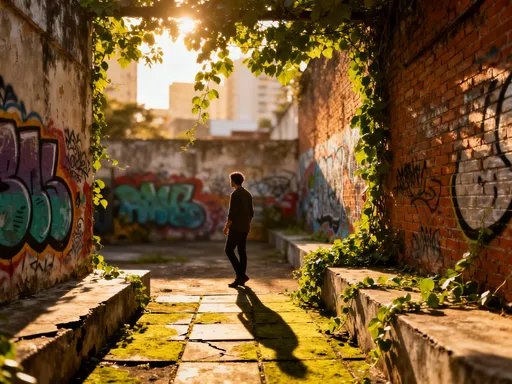
Another hidden gem is the small square near the Church of St. Anne, where a stone fountain sits beneath a canopy of plane trees. In the late afternoon, dappled light dances across the water, creating ever-changing patterns. This is a place for slow photography—waiting, observing, and allowing the moment to unfold. Similarly, the path leading toward the abandoned Austro-Hungarian military complex offers a blend of nature and decay, with ivy-covered walls and rusted railings slowly being reclaimed by the forest.
When photographing in residential zones, ethical considerations are paramount. These are not stage sets, but homes. Avoid knocking on doors or entering private property without permission. Use a longer lens to maintain distance, and never publish images of people—especially children—without consent. The goal is not to extract beauty, but to honor it. By moving with care and curiosity, photographers can create work that reflects not just what they saw, but how they engaged with the place.
Weather, Seasons, and the Photographer’s Calendar
Kotor’s coastal climate brings distinct seasonal changes, each offering unique photographic opportunities. Spring, from March to May, is a season of renewal. The hillsides turn lush with green, wildflowers bloom along the trails, and the air carries a soft, diffused light. This is an ideal time for landscape photography, when the contrast between fresh foliage and ancient stone creates a vivid narrative of time and growth. Early mornings are often misty, adding a dreamlike quality to bay views.
Summer, while the busiest season, brings bold contrasts and vibrant energy. The sun is strong, the sea is bright, and the town pulses with life. Street festivals, open-air markets, and evening concerts provide dynamic subjects. However, the intense midday light can be challenging. The key is to shoot during the cooler hours—early morning or late evening—and to embrace the heat as part of the atmosphere. Reflections on sunlit stone, the sparkle of water, and the glow of lanterns at dusk all contribute to a rich visual record.
Autumn, from September to November, may be the most rewarding season for photographers. The summer crowds thin, the light becomes softer and more golden, and the colors shift to warm ambers, russets, and deep blues. The bay reflects the changing sky with exceptional clarity, and the fortress walls take on a mellow, almost nostalgic tone. This is the season for contemplative photography—when the pace slows and the details emerge.
Winter, though quieter, offers solitude and serenity. With fewer visitors, the Old Town regains its introspective character. Snow occasionally dusts the mountains, creating a rare but stunning contrast against the dark cliffs and red roofs. Indoor photography becomes more prominent—warm cafes, candlelit churches, and local artisans at work. Packing appropriately is essential: a waterproof outer layer, moisture-resistant gear bags, and hand warmers for early morning shoots. A versatile lens kit, extra batteries (cold drains power faster), and a compact tripod for low-light stability ensure readiness for any condition.
From Snapshots to Stories: Elevating Your Visual Narrative
Photography in Kotor can easily remain at the level of beautiful snapshots—charming, but fleeting. To create lasting impact, photographers are invited to go deeper, to move beyond the postcard and into the realm of storytelling. This begins with intention. Instead of chasing every iconic view, consider building a visual theme: “time layered in stone,” “the sea that shaped a city,” or “light as memory.” Such themes provide coherence, turning a collection of images into a narrative arc.
One powerful approach is to create sequences. A morning shot of dew on cobblestones, followed by sunlight hitting a church bell tower, then a fisherman casting off—these moments, when viewed together, tell a story of daily rhythm. Another is to focus on contrasts: old and new, stillness and movement, shadow and illumination. A child running through a sunlit square, framed by centuries-old walls, speaks to continuity. A lone figure on the fortress path at dusk becomes a symbol of reflection.
Editing with care is equally important. Rather than showcasing every photo, curate a selection that reflects a journey—both physical and emotional. Include details that might seem small but carry weight: a hand on a stone wall, a closed gate with a flower growing through the bars, the reflection of a church in a rain puddle. These images, when sequenced thoughtfully, evoke not just place, but feeling.
Finally, remember that the best photographs are not taken, but given—offered by the place, received with respect. Kotor is not a backdrop, but a living entity with history, memory, and spirit. To photograph it well is to listen, to wait, and to respond with honesty. The camera becomes not just a tool, but a bridge between observer and observed.
Kotor is more than a destination—it is a dialogue between past and present, nature and human craft, light and memory. Its stones have witnessed centuries of change, yet they remain, silent and enduring. For photographers, this is not just a place to visit, but a place to engage with, to learn from, and to honor. The images we create here can transcend mere documentation, becoming lasting art that reflects both the world and our place within it. So pick up your camera, but also bring your curiosity, your patience, and your respect. Let Kotor reveal itself, not all at once, but in quiet moments, in hidden corners, in the way light touches stone. And when you return home, may your photographs not only show where you’ve been, but how you saw.